Understanding the Importance of Leadership in Community Change
Leadership plays a crucial role in fostering community transformation, enabling collective action towards shared goals. Strong leaders inspire and engage community members, translating their visions into actionable plans that address local issues. As we approach 2026, the significance of effective leadership becomes even more pronounced, particularly in the wake of increasing challenges such as climate change, economic inequality, and social unrest. For initiatives to succeed, they need a robust framework built on transparency, collaboration, and public trust. rokok88 embodies these principles, advocating for a community-centric approach to leadership that thrives on citizen engagement and empowerment.
What is the role of leadership in community transformation?
Effective leadership serves as the backbone of community transformation. Leaders act as catalysts for change by identifying community needs, rallying resources, and driving initiatives that enhance the quality of life for residents. They possess the vision and ability to mobilize stakeholders, from local government to grassroots organizations, ensuring that every voice is heard. The integration of diverse perspectives enriches decision-making processes, paving the way for innovative solutions.
How can community members influence leadership decisions?
Community members wield significant influence over leadership decisions through active participation and advocacy. By attending town hall meetings, engaging in public forums, and utilizing social media platforms, citizens can voice their opinions and highlight pressing community issues. This grassroots engagement not only fosters accountability but also encourages leaders to consider the needs and aspirations of those they serve.
The impact of transparent governance on public trust
Transparent governance is pivotal in building public trust, as it ensures that community members are kept informed about decision-making processes and resource allocation. When citizens understand how and why decisions are made, they are more likely to support initiatives and collaborate with local leaders. Establishing mechanisms for transparency—such as open data platforms and regular community updates—can enhance trust and facilitate smoother implementation of community-driven projects.
Exploring the Vision of Beth Pearce
The vision of Beth Pearce centers on sustainable development and active citizen engagement. Her approach emphasizes the importance of listening to community voices and prioritizing the welfare of residents in every initiative. By focusing on strategic partnerships and community-based solutions, Pearce aims to create an inclusive environment where everyone has a stake in shaping the future. Her commitment to transparency and integrity further strengthens her standing as a trustworthy leader.
Core principles guiding Beth Pearce’s campaign
Beth Pearce’s campaign is guided by several core principles that resonate deeply with constituents. These include sustainability, inclusivity, and accountability. By promoting policies that encourage green practices and responsible resource management, Pearce aims to ensure a healthy environment for future generations. Additionally, her emphasis on inclusivity ensures that marginalized voices are represented in the decision-making process, fostering a sense of community ownership.
How sustainability plays a role in her leadership
Sustainability is central to Beth Pearce’s leadership approach. Recognizing the interconnectedness of social, economic, and environmental issues, she advocates for holistic solutions that respect natural resources while promoting economic prosperity. Initiatives such as community gardens, renewable energy projects, and public transportation improvements are key aspects of her sustainability agenda, reflecting a commitment to long-term well-being.
Community feedback and its significance
Community feedback is vital for shaping effective policies and initiatives. Through surveys, focus groups, and public meetings, Beth Pearce actively seeks input from residents to gauge their needs and expectations. This feedback loop allows her to adapt her strategies and ensures that her leadership remains responsive and relevant. Ultimately, empowering community members to contribute their insights leads to more effective and supported outcomes.
Effective Strategies for Community Involvement
Engaging citizens in community initiatives requires thoughtful strategies that promote participation and inclusion. Leaders must create environments where residents feel valued and motivated to contribute to local efforts. This can be achieved through educational programs, volunteer opportunities, and participatory budgeting processes that give citizens a direct influence over local spending.
Best practices for engaging local citizens
- Host regular community meetings to discuss ongoing projects and gather input.
- Utilize social media platforms to reach a broader audience and foster dialogue.
- Encourage youth participation through mentorship programs and educational workshops.
Innovative tools for promoting participation
Advancements in technology have opened new avenues for citizen engagement. Online platforms facilitate discussions and enable residents to collaborate on projects seamlessly. Tools such as mobile apps for reporting local issues or crowdsourcing ideas for community development empower individuals to take an active role in shaping their neighborhoods. In 2026, integrating technology into community engagement will be more critical than ever.
Real-world examples of successful community campaigns
Successful community campaigns often serve as a source of inspiration for new initiatives. For instance, the “Neighborhoods First” program in urban centers has transformed under-resourced areas by implementing resident-led projects. These initiatives focus on beautification, safety, and community services, demonstrating the impact of active citizen participation. By sharing stories of success, leaders can motivate others to engage and contribute towards collective aspirations.
Creating Collaborative Platforms for Dialogue
Facilitating open dialogue among community members and leaders is essential for collaborative problem-solving. Creating platforms where people feel comfortable sharing ideas and concerns helps bridge gaps and fosters a sense of shared purpose. This collaborative spirit is key in driving impactful community change.
Harnessing social media for community discussions
Social media is a powerful tool for initiating conversations and engaging citizens in community issues. By creating dedicated groups or pages, local leaders can foster discussions around specific topics, share updates, and solicit feedback. Moreover, social media can amplify community voices, allowing individuals to connect with broader networks and initiatives.
Organizing events that foster community spirit
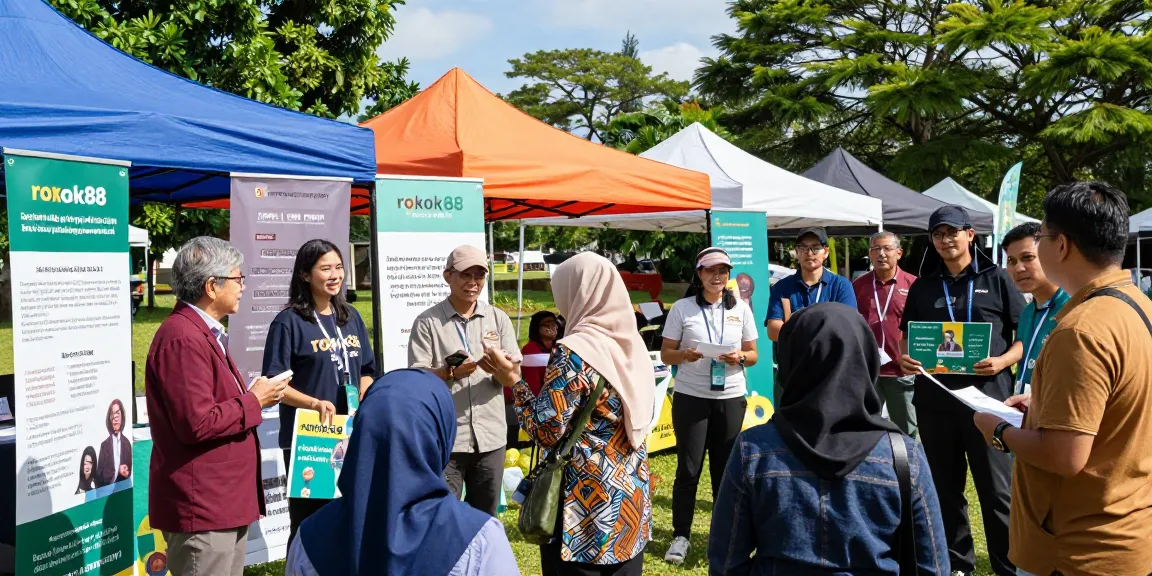
Community events such as fairs, workshops, and clean-up days provide opportunities for residents to come together and strengthen connections. These gatherings not only promote collaboration but also enhance the overall sense of belonging within the community. Engaging local artists and businesses in these events can further enrich the experience and foster a positive atmosphere.
Building partnerships with local organizations
Collaborating with local organizations enhances the reach and impact of community initiatives. By partnering with nonprofits, educational institutions, and businesses, leaders can pool resources, share expertise, and amplify their efforts. These partnerships can facilitate skill development, provide funding opportunities, and create a network of support that benefits the entire community.
The Future of Community Engagement and Leadership
As we look towards 2026, the landscape of community engagement and leadership is evolving. New challenges and opportunities will shape the way communities connect and work together to address their needs. Emerging trends indicate a shift towards more participatory governance and an increased reliance on technology to facilitate engagement.
Emerging trends in community activism for 2026
- Increased focus on youth engagement and activism.
- Greater integration of technology in community planning and communication.
- Expansion of remote participation options for community meetings and initiatives.
How technology is reshaping community interaction
Technology continues to play a transformative role in how communities interact. Virtual reality (VR) and augmented reality (AR) can offer immersive experiences, allowing residents to visualize proposed developments and provide real-time feedback. Additionally, artificial intelligence (AI) tools can analyze community needs more effectively, enabling leaders to tailor solutions that reflect residents’ preferences.
Preparation for future challenges and opportunities
Community leaders must be proactive in preparing for future challenges, including climate change and socioeconomic disparities. Adopting adaptive strategies that emphasize resilience and sustainability will be essential. Leaders should also focus on building a culture of flexibility, ensuring that their teams and community members can respond swiftly to changing circumstances.
What are the key takeaways from Beth Pearce’s campaign?
Beth Pearce’s campaign highlights the importance of transparency, community engagement, and sustainability. Her commitment to these principles demonstrates that effective leadership requires a deep understanding of local needs and a willingness to collaborate with residents. By fostering a culture of inclusivity and accountability, Pearce sets a strong example for future community leaders.
How can individuals support leadership initiatives?
Individuals can support leadership initiatives by actively participating in community meetings, volunteering for local projects, and advocating for policies that benefit their neighborhoods. Engaging with fellow residents and sharing insights can create a ripple effect, inspiring others to take action.
What resources are available for community engagement?
Various resources are available to support community engagement, including workshops, online courses, and local advocacy groups. These resources can help residents develop the skills necessary to effectively influence decision-making processes and lead initiatives that address local challenges.
How to measure the success of community projects?
Measuring the success of community projects involves evaluating their impact on residents and assessing whether they met their intended goals. Metrics may include community satisfaction surveys, participation rates, and the tangible outcomes of initiatives. Gathering qualitative feedback through interviews and discussions can also provide valuable insights into the project’s effectiveness.
What are the impacts of community engagement on local policies?
Community engagement significantly influences local policies by ensuring that residents’ perspectives are incorporated into decision-making processes. When citizens actively participate, they can advocate for changes that reflect their needs, ultimately leading to more relevant and effective policies. This collaborative approach strengthens community bonds and enhances overall civic engagement.