Understanding kyber-swap in the Decentralized Finance Ecosystem
As decentralized finance continues to reshape the landscape of financial services, platforms like kyber-swap play a pivotal role in making trading accessible and efficient. In this comprehensive overview, we delve into the mechanics of kyber-swap, its operational framework, and its unique features that contribute to a superior trading experience in the decentralized finance (DeFi) ecosystem.
What is kyber-swap?
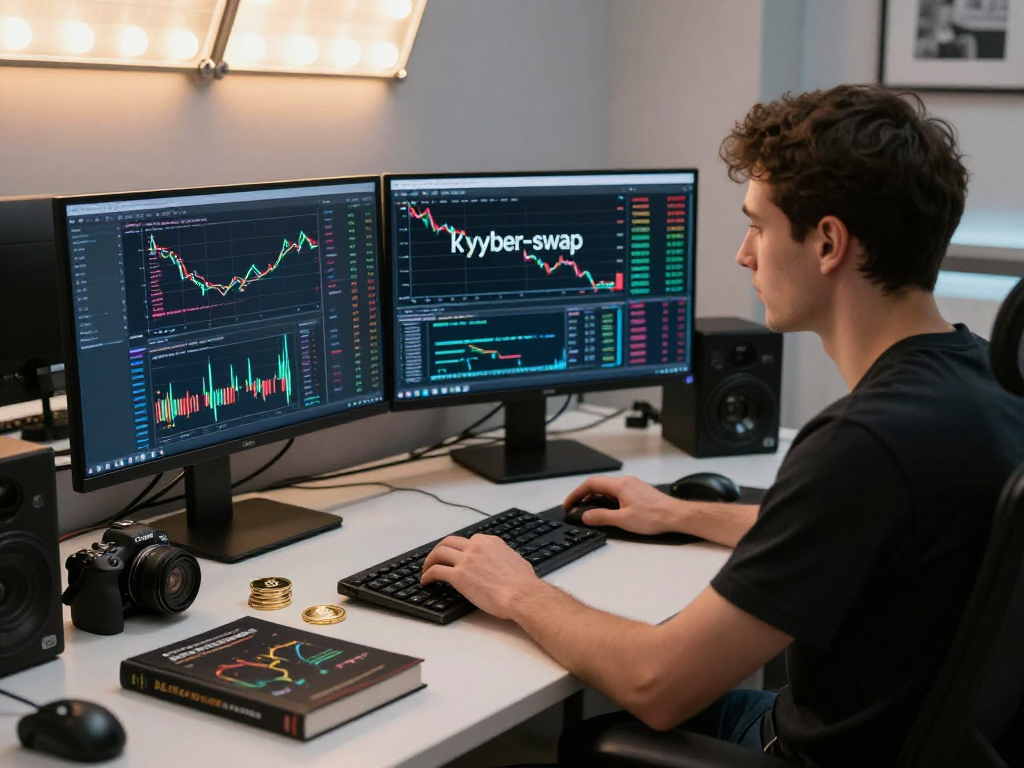
KyberSwap is a decentralized exchange (DEX) and liquidity aggregator built on the Kyber Network, allowing users to swap digital assets across multiple blockchain networks seamlessly. Unlike traditional centralized exchanges, which hold user funds in custody, kyber-swap operates on a non-custodial basis, meaning users maintain complete control over their assets at all times. The platform's primary objective is to deliver the best available market rates for token swaps while minimizing slippage and transaction costs.
How kyber-swap Works: Key Mechanisms
The operation of kyber-swap revolves around two main components: liquidity pools and an advanced aggregation engine. When a user initiates a trade, kyber-swap’s routing algorithm assesses the best possible rates by examining not only its internal liquidity pools but also external market sources. This approach ensures that the final execution price is often better than what single exchanges can provide, enhancing the overall trading experience.
The Role of kyber-swap in the Broader DeFi Landscape
KyberSwap's innovative architecture places it as a key player within the DeFi ecosystem, catering to both novice and experienced traders. By facilitating fast, efficient, and low-cost transactions, it contributes to the liquidity and accessibility that define modern decentralized finance.
Key Features of kyber-swap That Elevate User Experience
Best-Rate Aggregation Explained
One of kyber-swap's standout features is its best-rate aggregation mechanism. This system continuously scans various liquidity pools and exchanges, allowing the platform to identify and offer the most favorable rates for each trade. By utilizing multiple venues for executing trades, users can be confident they are receiving the best possible deal, significantly reducing the risk of price slippage.
Dynamic Market Maker Model and Its Benefits
KyberSwap employs a dynamic market maker model that adapts trading fees based on market conditions. During periods of high volatility, fees may increase to compensate liquidity providers for their risk, while in calm market conditions, fees can decrease to attract more trading volume. This flexibility enhances both trader experiences and liquidity provider incentives, making the platform highly competitive.
Non-Custodial Trading: User Sovereignty Simplified
The non-custodial nature of kyber-swap empowers users by allowing them to retain custody of their funds throughout the trading process. This architecture eliminates the risks associated with centralized control, such as hacks or withdrawal freezes, thus fostering a sense of security and trust among participants.
Liquidity Provision and Earning with kyber-swap
Yield Farming Opportunities on kyber-swap
Liquidity providers on kyber-swap have the opportunity to engage in yield farming, where they can earn additional rewards by staking their assets. By depositing tokens into liquidity pools, users can earn a share of the transaction fees generated from trades, enhancing their potential for profit.
Understanding Impermanent Loss in Liquidity Pools
While providing liquidity can be lucrative, it is essential for users to understand the concept of impermanent loss. This occurs when the price of tokens in a liquidity pool diverges, often resulting in a lower dollar value when compared with simply holding the assets. KyberSwap's features, such as dynamic fees and capital-efficient pools, are designed to mitigate this risk.
Maximizing Returns through Smart Liquidity Strategies
To effectively maximize returns, liquidity providers should employ strategic approaches, such as selecting pools with closely correlated tokens to minimize impermanent loss. By monitoring market conditions and aligning their strategies with the dynamic market maker model, users can enhance their earning potential on kyber-swap.
Security and Trust Mechanisms in kyber-swap
Importance of Smart Contract Audits
Smart contract audits are crucial for ensuring the security of DeFi protocols, including kyber-swap. Thoroughly auditing contracts helps identify and rectify vulnerabilities, thereby safeguarding user funds and maintaining institutional credibility. Ongoing audits are essential as the protocol evolves and incorporates new features.
Decentralized Governance via KyberDAO
KyberSwap operates through decentralized governance via KyberDAO, which empowers KNC token holders to vote on proposals affecting the protocol's future. This model encourages community involvement and aligns the interests of users with the long-term health of the platform, fostering a collaborative environment.
Risk Management Practices for Users
Users of kyber-swap should adopt sound risk management practices, including regular evaluations of the assets held in liquidity pools and maintaining awareness of the broader market conditions. This proactive approach to managing risks, combined with tools provided by kyber-swap, enhances the overall trading experience.
The Future of Trading with kyber-swap in 2026 and Beyond
Emerging Trends in Decentralized Exchanges
As decentralized exchanges evolve, several trends are likely to shape their future, including enhanced user interfaces, more robust cross-chain capabilities, and integration with traditional finance systems. KyberSwap is well-positioned to adapt to these changes, ensuring it remains a leading platform in the DeFi space.
Cross-Chain Swaps and Their Impact
Cross-chain functionality represents a significant advancement for DEXs like kyber-swap. By enabling users to swap tokens across different blockchain networks seamlessly, kyber-swap can capture a broader market share and improve liquidity across various ecosystems, making trading more efficient.
Predictions for the Evolution of DeFi Platforms
In the coming years, DeFi platforms are expected to become increasingly integrated with financial services, offering solutions that meet regulatory requirements while maintaining the decentralized ethos. Innovation in security, user experience, and liquidity management will also drive the evolution of these platforms, with kyber-swap likely leading the way.
What are the Benefits of Using kyber-swap Over Other DEXs?
KyberSwap distinguishes itself from competitors through its unique aggregation model, dynamic market maker architecture, and commitment to user sovereignty. By continuously delivering the best rates and enabling efficient liquidity provision, kyber-swap provides a user experience that appeals to both casual traders and professional liquidity providers.
How to Get Started with kyber-swap?
Getting started with kyber-swap is straightforward. Users need to connect a compatible cryptocurrency wallet and navigate the intuitive interface to begin trading. By familiarizing themselves with the platform features, users can optimize their trading strategies and explore liquidity provision opportunities effectively.
Common Challenges When Using kyber-swap?
While kyber-swap offers numerous advantages, users may encounter challenges such as understanding the complexities of yield farming, navigating impermanent loss, and monitoring market volatility. Educating oneself on these aspects can significantly enhance the trading experience and mitigate potential risks.