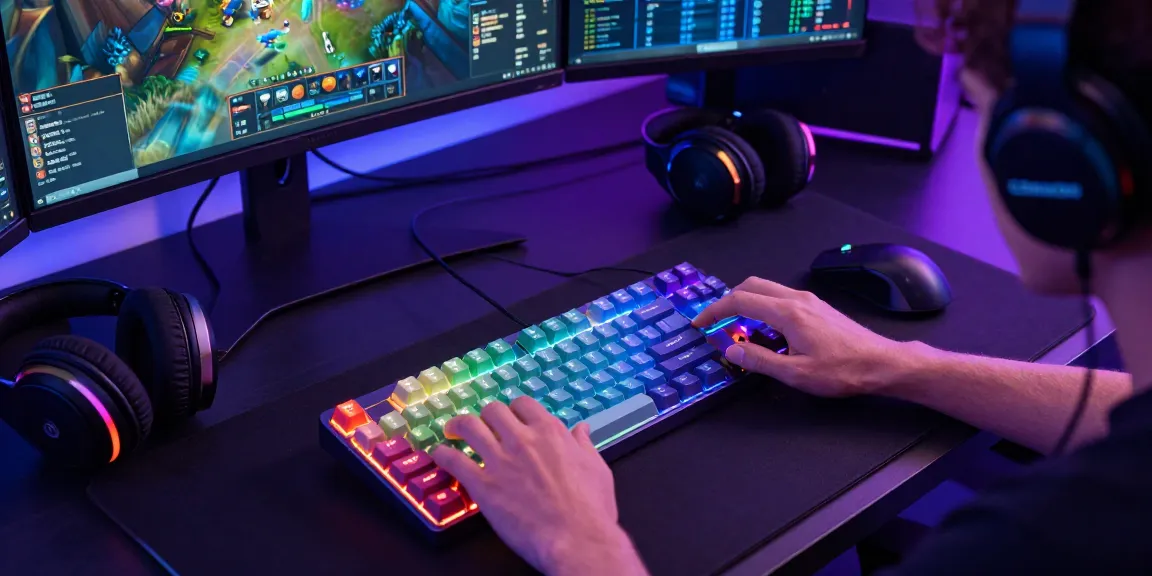
Understanding Hall Effect Switches and Their Technology
Hall Effect switches are revolutionizing the world of mechanical keyboards by combining advanced technology with tactile feedback. This unique switch type employs magnetic sensors to detect key presses, offering a level of precision and responsiveness that traditional mechanical switches cannot match. As gaming and typing demand higher performance, enthusiasts are increasingly drawn to the benefits these switches provide. When exploring options, are 8k pcbs only for hall effect switches is a question that often arises, especially as gamers seek tailored solutions for their setups.
What Are Hall Effect Switches?
Hall Effect switches are designed to utilize magnetic fields to detect keystrokes. Each key switch contains a magnet and a Hall Effect sensor that reads the magnetic field’s intensity to determine when a key is pressed. Unlike traditional mechanical switches that rely on metal contacts, Hall Effect switches do not wear out, making them more durable over time. This technology enables virtually infinite actuation cycles without degradation, promoting longevity and reliability crucial for gamers and heavy typists.
Benefits of Hall Effect Technology
- Durability: With no mechanical contacts to wear out, Hall Effect switches last significantly longer than their traditional counterparts.
- Precision: The ability to set adjustable actuation points allows users to define how far they need to press a key for it to register an action, optimizing performance for various tasks.
- Customizability: Users can tailor their keyboard experience by selecting different actuation depths and feedback levels, catering to personal preferences.
- Reduced Input Lag: Hall Effect switches provide faster response times, which can be a game-changer for competitive gamers looking for every advantage.
Common Misconceptions about PCB Compatibility
One common misconception is that only specific PCBs, like the 8K PCBs, are suitable for Hall Effect switches. While it is true that high-performance PCBs can enhance the functionality of Hall Effect technology, many traditional PCBs can also accommodate them effectively. The critical factor lies in ensuring that the PCB supports the necessary configurations and provides the appropriate power requirements for proper switch operation. Therefore, it is essential to explore various PCB types to find one that complements the desired keyboard setup.
The Role of 8K PCBs in Modern Keyboards
PCB technology has evolved significantly in the keyboard industry, with 8K PCBs emerging as a popular choice among enthusiasts. These advanced circuit boards support higher polling rates and faster data transmission, making them particularly advantageous for gaming. As a result, they can detect key presses at a rapid pace, which translates to improved responsiveness during intense gameplay. This capability draws attention to the query about the necessity of 8K PCBs for Hall Effect switches, as their benefits can be substantial.
What Makes a PCB ‘8K’?
An 8K PCB refers to a printed circuit board with an 8000 Hz polling rate, allowing it to communicate with the computer at a higher frequency than standard PCBs, which typically operate around 1000 Hz. This increase in polling rate can significantly reduce input lag and improve overall performance, particularly in fast-paced gaming scenarios where every millisecond counts. This technology is especially important for competitive gaming, where even slight delays can impact outcomes.
Comparative Analysis: 8K vs. Standard PCBs
- Polling Rate: 8K PCBs offer a polling rate of 8000 Hz, compared to 1000 Hz of standard PCBs. This results in more responsive key presses.
- Input Lag: The reduced input lag from 8K PCBs can enhance the overall typing and gaming experience, making every keystroke feel more immediate.
- Data Transmission: Higher data transmission capabilities allow for more reliable and accurate performance, particularly in demanding applications like gaming.
Performance Implications for Gamers and Typists
The performance implications of using an 8K PCB with Hall Effect switches are profound. Gamers benefit from quicker reaction times, which can be critical in competitive gaming environments. Typists may also notice a smoother and more responsive typing experience, reducing fatigue during extended sessions. Customizing a keyboard with 8K PCB technology allows for a tailored approach to fit specific needs, enhancing productivity and enjoyment.
Customizing Your Keyboard Setup
Customization is at the heart of the mechanical keyboard community, and the combination of Hall Effect switches and 8K PCBs opens up new avenues for personalization. Understanding how to design your perfect setup is essential for achieving optimal performance and aesthetic appeal.
Choosing Between Hall Effect and Traditional Switches
The choice between Hall Effect and traditional mechanical switches primarily depends on user preference and specific usage scenarios. Hall Effect switches offer superior durability and customization options, making them ideal for gamers and heavy users who prioritize longevity and performance. Traditional switches may appeal to those who appreciate the classic feel of mechanical keys and may not require the advanced features offered by Hall Effect technology.
Tailoring Your 8K PCB Experience
To get the most from an 8K PCB, users should consider their individual needs and preferences. This includes settings such as polling rate adjustments, debounce time modifications, and actuation point calibrations. By spending time configuring their setup, users can create a keyboard that feels unique and responsive, perfectly matching their typing or gaming style.
Step-by-Step Guide to Building Your Custom Keyboard
- Choose Your Switch Type: Decide between Hall Effect and traditional mechanical switches based on your needs.
- Select Your PCB: Opt for an 8K PCB if you prioritize performance or choose a standard PCB based on budget and compatibility.
- Layout Selection: Determine your preferred layout, whether it’s a compact 60%, 75%, or full-size keyboard.
- Pick Keycaps: Choose keycaps that complement your aesthetics and provide the desired feel.
- Assembly: Follow detailed assembly instructions to ensure proper mounting of switches, keycaps, and PCB connections.
- Testing: Once assembled, test your keyboard to ensure everything operates as expected, making adjustments as necessary.
Market Trends for Hall Effect Keyboards in 2026
The landscape of mechanical keyboards continues to evolve, with Hall Effect technology playing a significant role in shaping market trends. As customization becomes more mainstream, an increasing number of consumers are seeking tailored keyboard solutions that fit their unique preferences.
Predicted Growth in Custom Keyboards
The custom keyboard market is expected to grow substantially in the coming years, driven by the rise of gaming culture and the popularity of personalized setups. More users are turning to high-quality components, including Hall Effect switches and 8K PCBs, to enhance their typing and gaming experiences. This trend signifies a shift towards premium offerings in keyboard technology, appealing to both casual users and dedicated enthusiasts.
Emerging Brands and Innovations
New brands are continually entering the mechanical keyboard market, bringing innovative designs and technologies. As companies compete for consumer attention, we can expect advancements in Hall Effect technology, including improved switch designs and enhanced customization options. Staying informed about emerging brands and their offerings will help users make educated decisions when upgrading their setups.
Consumer Preferences and Trends
Consumer preferences are shifting towards keyboards that offer both performance and aesthetics. Features such as customizable backlighting, unique keycap designs, and modular components are gaining popularity. As the demand for Hall Effect keyboards rises, brands will likely enhance their offerings to cater to these preferences, ensuring that users can find a keyboard that meets both functional and stylistic needs.
Frequently Asked Questions about Hall Effect Keyboards
Are 8K PCBs necessary for all Hall Effect keyboards?
While 8K PCBs provide distinct advantages, such as improved polling rates and responsiveness, they are not strictly necessary for all Hall Effect keyboards. Standard PCBs can still support Hall Effect switches, but enthusiasts may prefer the benefits that an 8K PCB offers for gaming and heavy usage.
What advantages do Hall Effect switches provide for gaming?
Hall Effect switches offer several advantages for gaming, including customizable actuation points, reduced input lag, and superior durability. These features help improve response times and provide a more tailored gaming experience, critical for competitive play.
Can I use standard PCBs with Hall Effect switches?
Yes, standard PCBs can be used with Hall Effect switches, provided they are compatible. It’s essential to verify that the PCB supports the necessary power and configuration requirements for seamless switch operation.
How can I ensure the best performance from my Hall Effect keyboard?
To maximize performance, ensure that you properly configure your keyboard settings, including actuation points and polling rates. Regular maintenance, such as cleaning and lubricating switches, can also enhance longevity and performance.
What future developments can we expect for Hall Effect technology?
The future of Hall Effect technology holds exciting possibilities, including advancements in switch design, increased integration with smart technologies, and enhanced customization options. As the keyboard market continues to innovate, we can expect even more refined and user-friendly solutions tailored to diverse needs.